CONVERSATIONAL BANKING
AI BANKING

Author
Techurate Team
Publish Date
June 23, 2026
Last Update
December 10, 2025


Have Banking Apps Reached Their Limit?
Not long ago, a mobile banking app was a genuine differentiator. Today it's simply the baseline. Every bank offers the same core capabilities—from checking balances and transferring money to paying bills and viewing transactions. Digital transformation has become the standard.
Customers no longer choose a bank because it has an app. They choose the institution that delivers a better experience beyond the transaction.
When Every Bank Looks the Same
Banks invested heavily in digital transformation, and nearly every institution now delivers similar digital capabilities. As a result, features alone are no longer enough to stand out.
A cleaner interface or a faster workflow may improve usability, but lasting customer preference comes from something deeper—building experiences that customers genuinely value and remember.
What Do Customers Really Expect from Their Bank?
Customers don't simply want convenience—they want a bank that understands them.
Modern banking experiences often remain transactional, with little continuity between interactions. Customers expect personalized guidance based on their financial behavior and goals.
Banks that recognize customer needs and provide meaningful recommendations build stronger relationships over time.
How Conversational Banking Changes the Experience
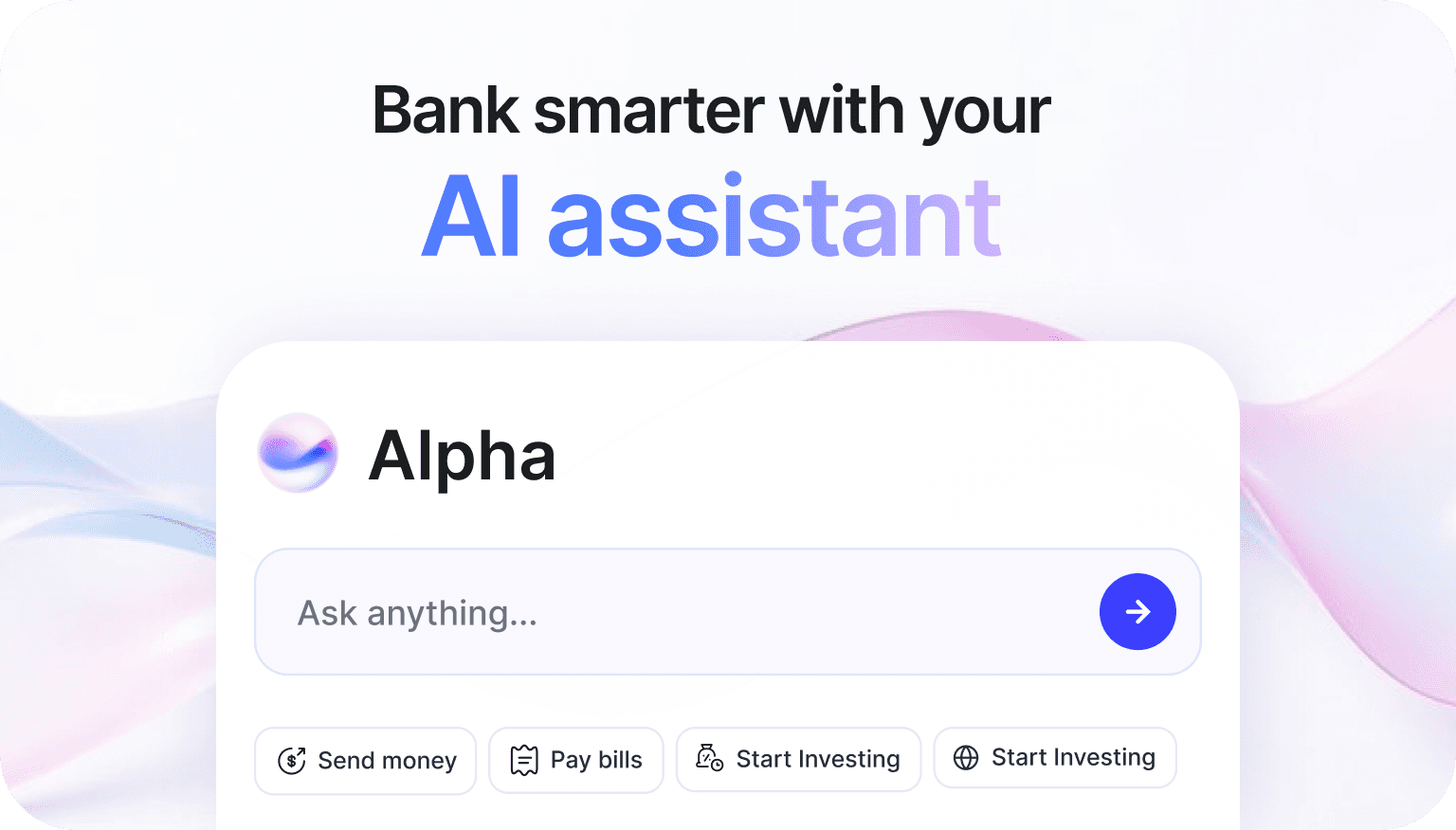
Conversational banking replaces traditional navigation with natural interaction.
Instead of searching through menus, customers can simply ask questions such as:
Why is my balance lower this week?
Am I saving enough this month?
Where am I spending the most?
AI delivers contextual answers based on real customer data, transforming banking from task completion into informed financial decision-making.
How AI in Banking Supports Better Customer Understanding
Artificial Intelligence brings together transaction history, customer behavior, and previous interactions to create meaningful financial insights.
Banks using AI effectively can:
Deliver personalized recommendations.
Understand customer behavior over time.
Provide more relevant financial guidance.
Build stronger customer trust through intelligent interactions.
Rather than simply automating responses, AI enables banks to create experiences that become more valuable with every interaction.
The Next Phase of Banking Will Be Built on Understanding
The future of banking belongs to institutions that understand their customers—not just their transactions.
Banks investing in conversational experiences today will create stronger relationships, deliver more meaningful financial guidance, and remain relevant as customer expectations continue to evolve.
👉 Discover how Techurate helps banks build conversational, AI-powered banking experiences that strengthen customer relationships and drive long-term growth.

Read Blog
AGENTIC AI
Agentic AI in Banking: From Assistance to Intelligent Action
AI agents help banks understand goals, coordinate workflows, and act.
Published
August 31, 2026

Read Blog
AI BANKING
Financial Decisions Are Moving to AI
Why banks must move beyond transactions and become part of every financial decision.
Published
July 17, 2026

Read Blog
BANKING ARCHITECTURE
Fragmented Banking Systems Are Slowing Growth
Why connected banking architecture is becoming the foundation for future-ready financial institutions.
Published
August 13, 2026